Fall Grooming Guide for Dogs: Shedding, Burrs and Mats in 2026
15 October 2026 · 8 min read
Cooler mornings, falling leaves and the first real chill in the air mean one thing most dog owners don't expect: grooming season isn't over. Fall is actually one of the busiest stretches for groomers, mobile vans and self-service washes — and one of the easiest seasons to fall behind on coat care. Shorter days trigger coat changes, hikes through dry fields leave burrs and foxtails tangled in fur, and ticks stay active well past the first cool snap. None of that goes away just because summer swimming season is over.
This guide walks through what actually changes for a dog's coat and skin in the fall, how often different coat types need attention, what to check after outdoor time, and how to decide between a full-service salon, a mobile groomer, or doing more of the work at home between appointments. It draws on listings already in the directory so you can see real examples of each option.
Why Fall Is a Turning Point for Grooming
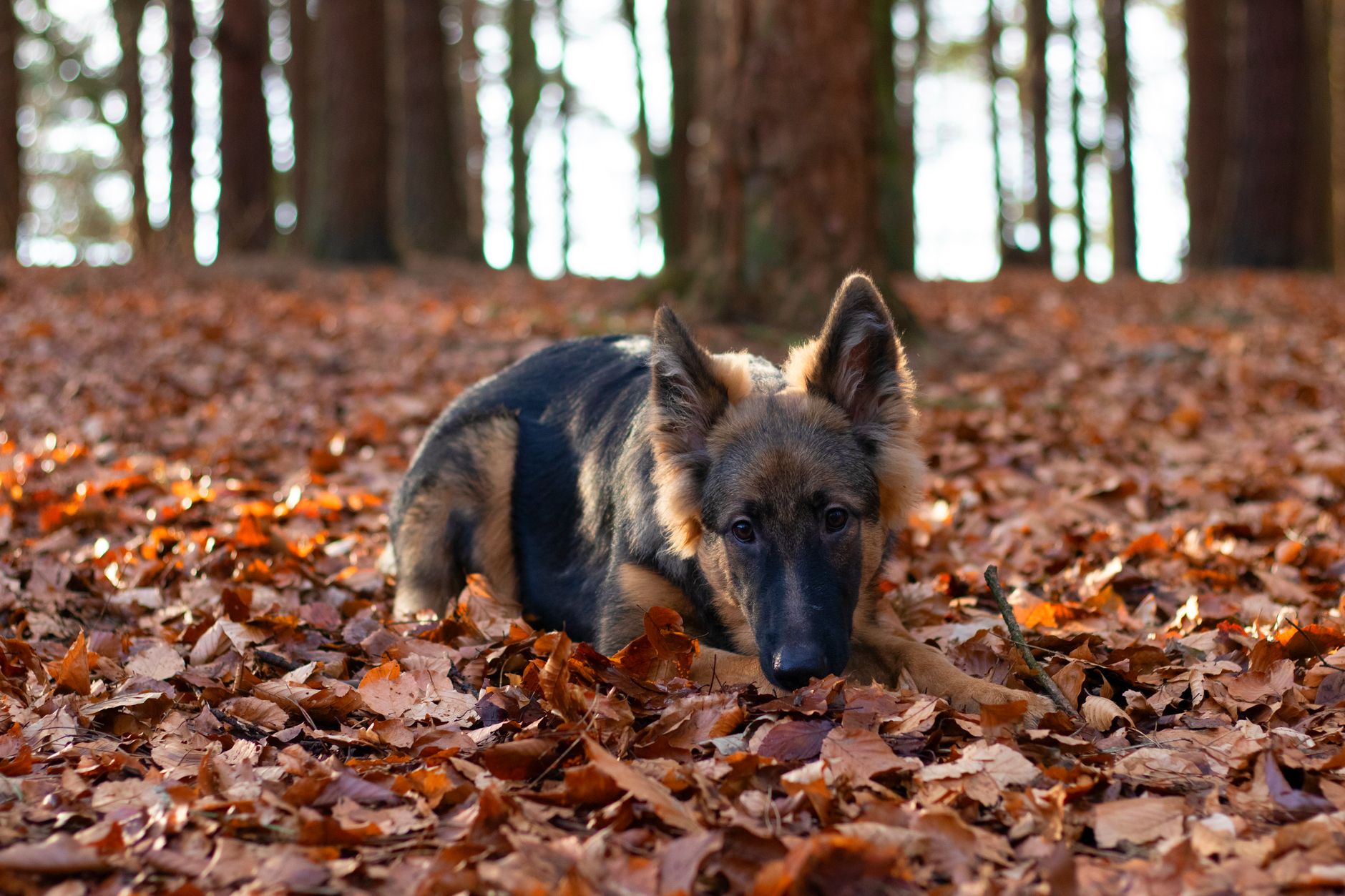
Dogs with double coats — Huskies, Golden Retrievers, German Shepherds, Corgis and similar breeds — shed their lighter summer undercoat and grow in a denser winter layer as daylight hours shrink. That transition produces a second, smaller "shedding season" that catches a lot of owners off guard, since most people associate heavy shedding with spring. Left unbrushed, the loose summer undercoat gets trapped underneath the new growth, which traps moisture, reduces insulation, and sets the stage for mats before winter even starts.
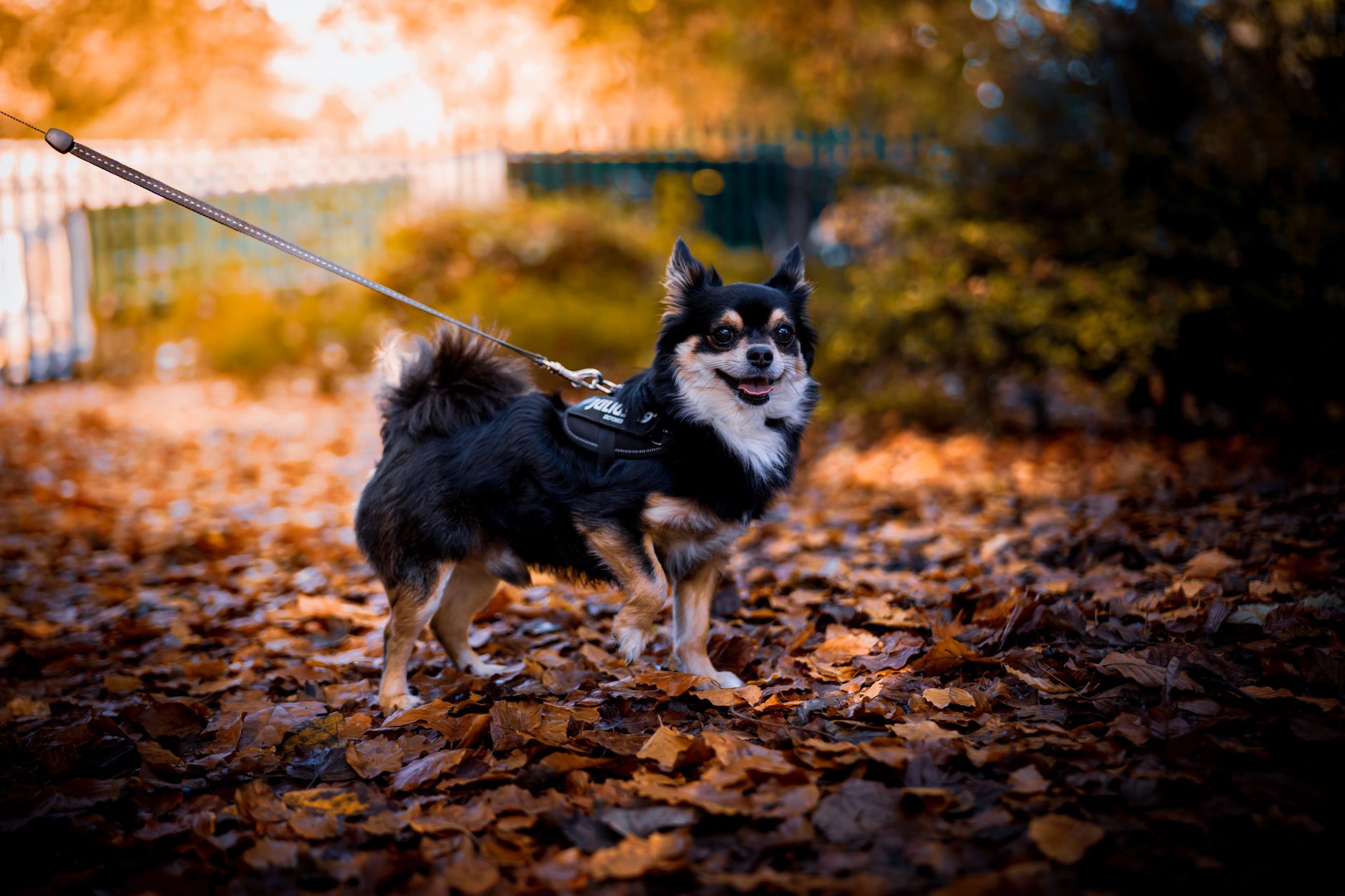
At the same time, fall is foxtail and burr season in much of the country. Dried grasses, seed heads and burdock cling to fur during hikes and off-leash time, and they work their way toward the skin faster than most people realize — especially around paws, ears and the belly. A groomer who does a thorough brush-out and skin check after outdoor season catches problems before they become expensive vet visits.
How Often Each Coat Type Needs a Fall Groom
Grooming frequency isn't one-size-fits-all, and fall tends to shorten the gap between visits for most coat types. The table below is a general guide — a groomer who has actually seen the dog can tell you what it needs.
Coat type
Typical fall grooming interval
What changes in fall
Double coat (Husky, Golden Retriever, Corgi)
Every 4–6 weeks
Heavier undercoat shedding as winter coat comes in
Curly or wire coat (Poodle, Doodle, Terrier)
Every 4–6 weeks
Mats form faster once cooler, damper weather sets in
Short, smooth coat (Lab, Boxer, Beagle)
Every 6–10 weeks
Less change, but still sheds and tracks in burrs
Long, silky coat (Shih Tzu, Maltese, Yorkie)
Every 3–4 weeks
Prone to matting around ears, legs and tail from leaf debris
Coat-by-coat guidance like this is exactly what a salon visit should confirm — a groomer who regularly works on a particular breed or coat type will adjust the schedule based on what they're actually seeing on the dog, not just the calendar.
Burrs, Foxtails and Matting: What to Check After Outdoor Time
After a hike, a day at the dog park, or just a long walk through tall grass, it's worth doing a quick hands-on check before the dog settles in for the evening:
Paws and between the toes — burrs and seed heads lodge here first and can work into the skin.
Ears, especially on floppy-eared breeds, where debris can get trapped against the skin.
Armpits, belly and the base of the tail — common mat-forming spots that are easy to miss.
Behind the collar and harness straps, where friction plus damp fur speeds up matting.
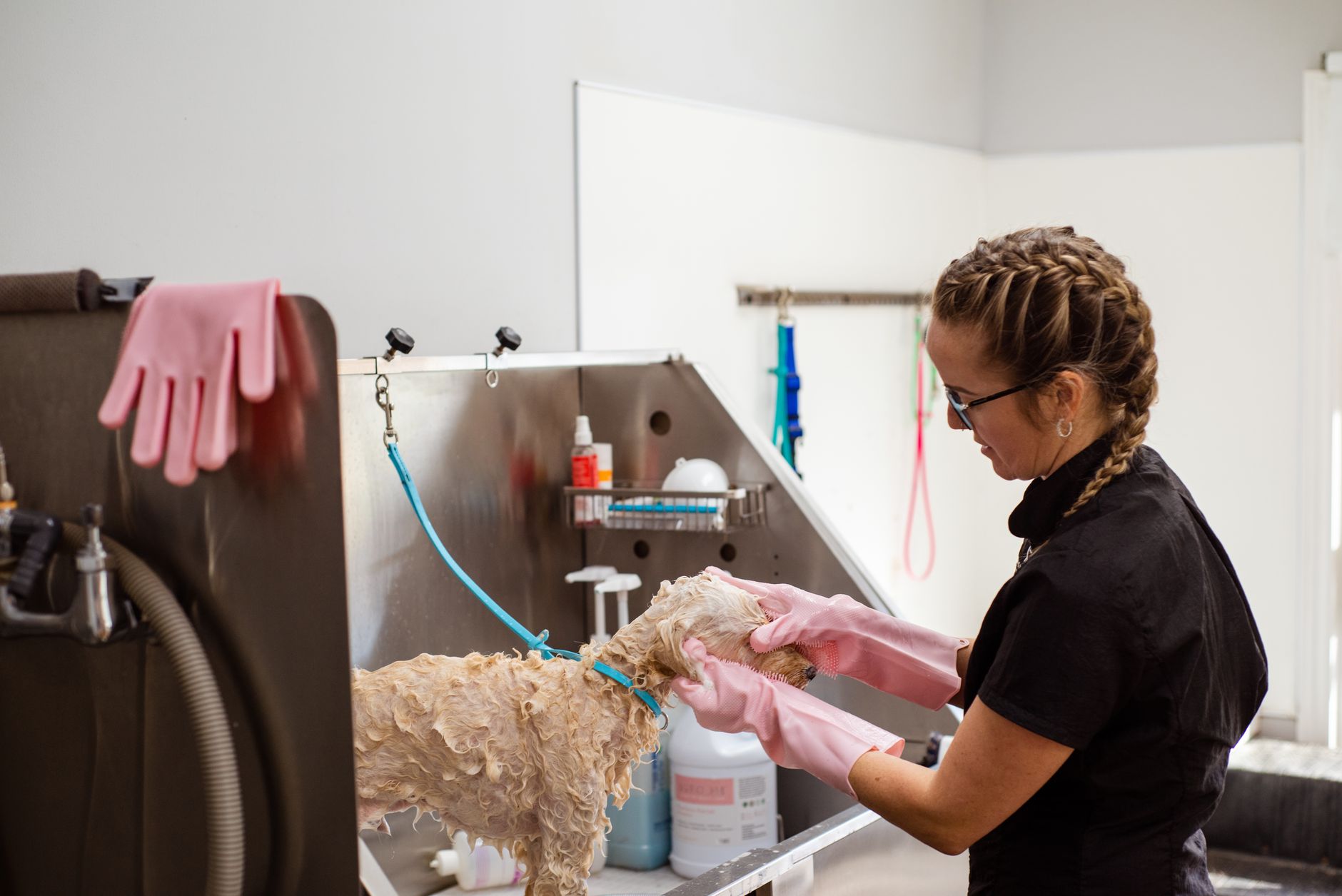
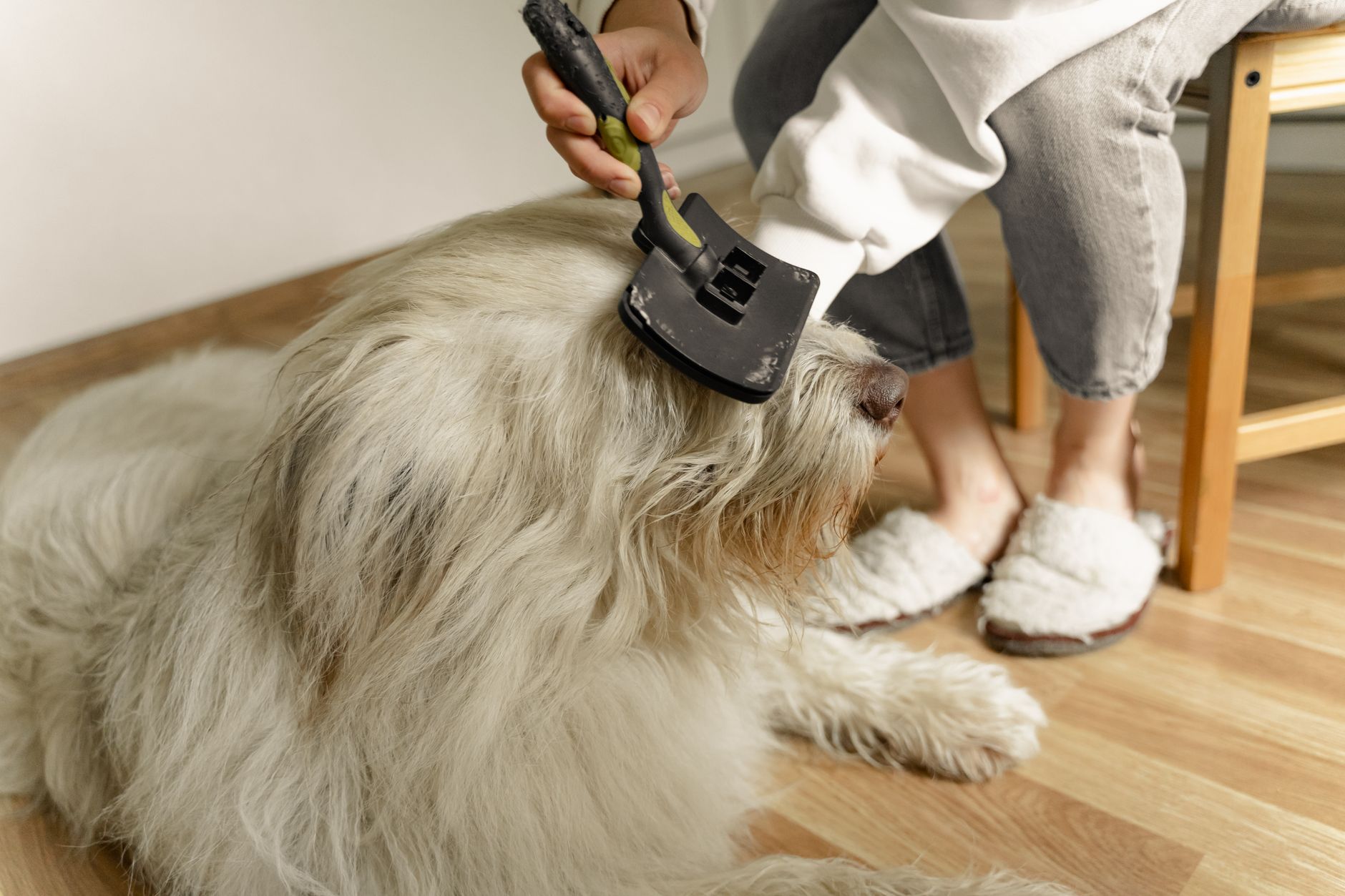
A quick brush-out at home handles most of this, but mats that are already tight against the skin, or burrs that have worked in deep, are better left to a professional with the right tools — pulling at a stuck mat can hurt the dog and damage the skin underneath. Some pet groomers also offer a self-service wash area for exactly this kind of after-hike rinse and brush-out between full appointments. {{biz:patton-avenue-pet-company-south-with-self-service-dog-wash-asheville}} in Asheville is one example that pairs a self-service wash with full grooming for dogs that need more than a quick rinse.
Salon, Mobile or Self-Service: Picking the Right Fall Option
Fall is a good time to reassess which grooming format actually fits a dog's routine, since the season brings more frequent, shorter visits for most coats.
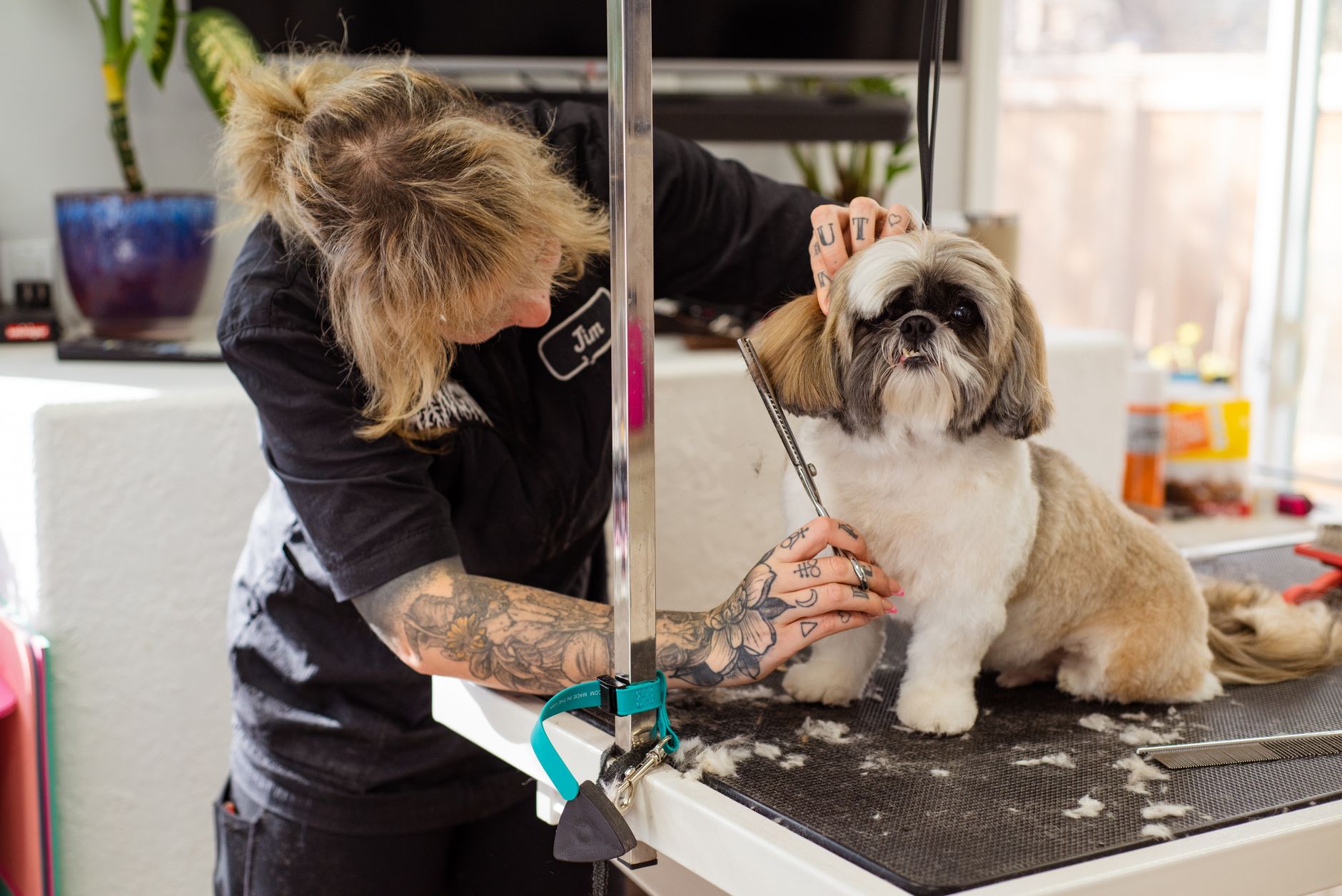
A full-service salon makes sense when a dog needs a real haircut, deshedding treatment, or nail trim alongside the bath — most salons have the tools (high-velocity dryers, deshedding combs) to get through a thick undercoat efficiently. {{biz:barkin-creek-dog-grooming-and-treats-south-lamar-austin}} in Austin and {{biz:doggy-style-salon-denver}} in Denver are both examples of salons set up for that kind of full-service visit, each with its own pet-groomers category page showing hours and services.
Mobile grooming is worth considering for anxious dogs, multi-dog households, or anyone who'd rather skip the waiting-room stress that comes with a busy fall booking season — the groomer comes to the driveway and works out of a self-contained van. {{biz:lakeway-mobile-dog-grooming-austin}} is a mobile option serving the Austin area; check its listing for current service area and booking details.
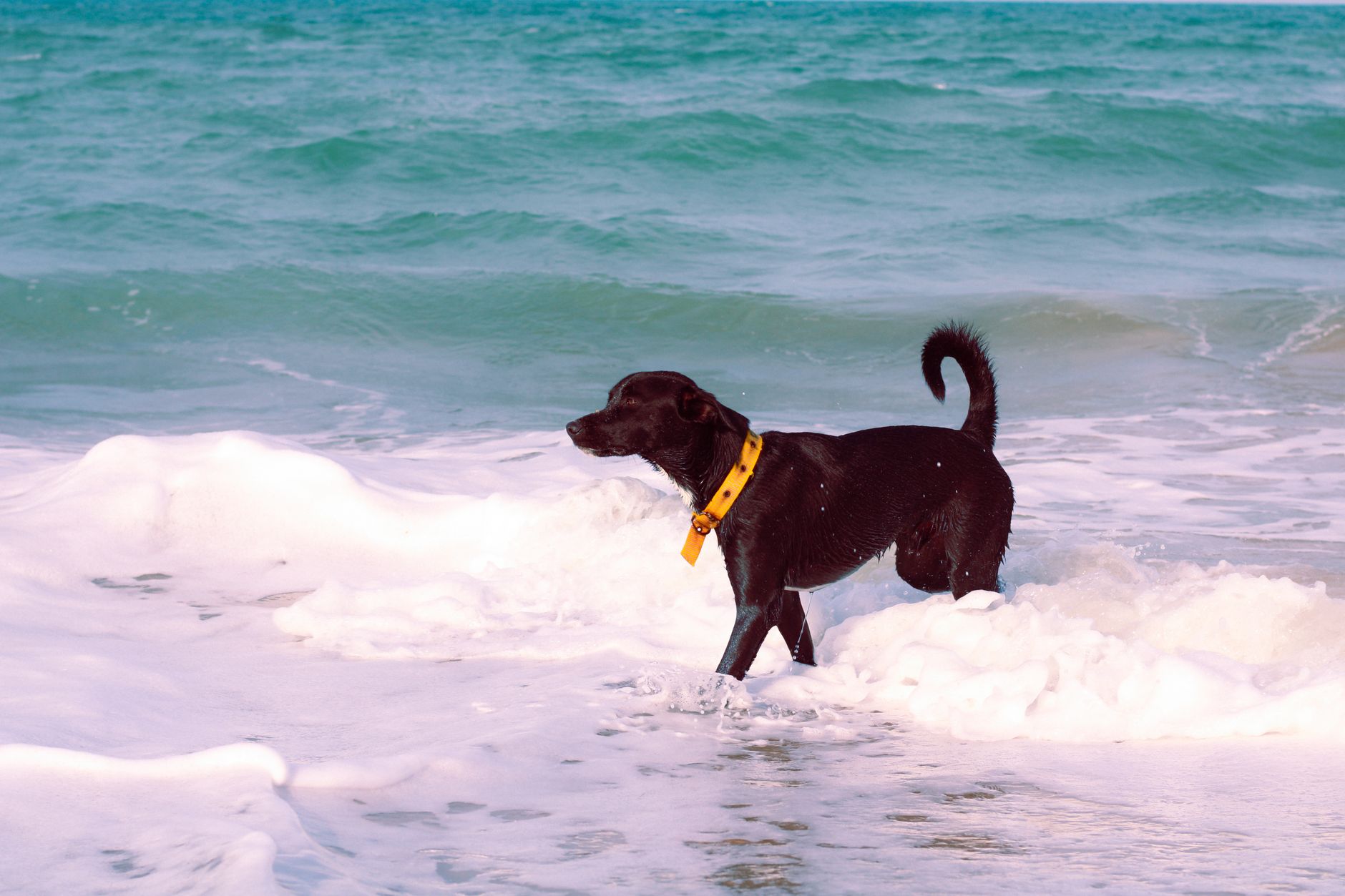
A self-service wash is the budget option between full visits — useful for a quick rinse after a muddy walk or to flush out light debris before it turns into a mat, without booking a full appointment.
Ticks Don't Stop at Labor Day
Tick activity doesn't end with the first cool week — in much of the country, ticks stay active until there's been a hard, sustained frost, which can be well into November or later depending on the region. Fall leaf litter is actually a favorite tick habitat, since it holds humidity and shelters them from direct sun.
A thorough brush-out and skin check, whether done at home or during a grooming appointment, is one of the best ways to catch a tick early. If a groomer finds a tick or an area of irritated skin during a visit, that's worth a follow-up with a veterinarian rather than a DIY fix — a vet can check for signs of tick-borne illness and recommend removal and prevention that's appropriate for the individual dog. This directory's veterinarians listings are a good starting point if a checkup is needed.
Daycare, Playdates and Muddy Paws
Dogs that spend their days at daycare or on regular playdates track in a disproportionate amount of fall mess — wet leaves, mud and the occasional burr collection from the yard. Many daycare facilities build a paw-wipe or quick rinse into pickup, but it's worth asking what a specific facility does during the wetter fall months. {{biz:dog-dynamix-denver}} in Denver is one daycare example; its dog daycare category page lists other options in the same area for comparison.
Between daycare days, a towel by the door and a quick paw check before the dog comes inside go a long way toward keeping mud and burrs from making it to the couch — and toward catching anything stuck between the toes before it becomes a bigger problem.
Getting Ready for Winter Coats
The deshedding work done in fall pays off once winter arrives. A dog that goes into the cold season with a clean, brushed-out undercoat holds heat more effectively than one whose coat is still matted with trapped summer fur — mats compress the coat and reduce its natural insulation. This is also a good time to ask a groomer about paw care: trimming the fur between paw pads so it doesn't collect ice and road salt once winter weather sets in, and checking that nails are kept short enough for good traction on slick sidewalks.
For dogs that get a shorter "summer cut," fall is typically when owners let the coat grow back out for warmth — which means more frequent brushing through the growing-out phase to stay ahead of tangles, rather than a dramatic trim.
What to Ask Before You Book
Fall is a popular time to book, since many owners are catching up on grooming before the holidays and winter weather arrive. A few questions worth asking when scheduling:
Does the groomer have experience with this specific coat type, and what deshedding tools do they use?
How do they handle a dog that comes in with mats — is there an extra charge, and will they explain the process rather than just shaving it out?
What's the current availability, since fall and the run-up to the holidays can book out further in advance than other seasons?
For mobile groomers, what's the service area and typical appointment window?
Current rates, availability and specific service lists vary by business and change over time, so it's worth checking a listing's website or calling ahead rather than assuming pricing from a general guide.
The Takeaway
Fall isn't a slow season for dog grooming — it's a transition season, with undercoat shedding, burr and foxtail season, lingering tick activity, and prep for winter coats all landing in the same few months. A brush-out at home between visits, a seasonal check for burrs and ticks after outdoor time, and a grooming schedule matched to coat type will keep most dogs comfortable through the transition. Whether that means a salon visit every few weeks, a mobile groomer that comes to the driveway, or a self-service wash for quick rinses in between, the right mix depends on the dog's coat and how much outdoor time it's getting this time of year.
What a full groom includes, questions to ask, salon vs mobile vs self-wash, red flags, coat-based schedules and tipping, with LA and San Diego examples.
dog groominggrooming tipsmobile grooming
Welcome to Local Pet GroomersLet me help you find a pet groomer today!