How to Choose a Dog Groomer in 2026: A Practical Checklist
14 October 2026 · 10 min read
Finding a dog groomer you trust takes more than picking the closest shop with an opening on Saturday. Your dog will spend an hour or more with a stranger who handles sharp clippers, scissors near the eyes, nail trimmers and hot dryers. A good groomer makes that time calm and safe. A rushed one can leave you with nicks, razor burn, a stressed dog and a coat that needs fixing.
This checklist walks you through what to look for in 2026: what a full groom actually includes, the questions worth asking before you book, how salons, mobile vans and self-service washes compare, the red flags to watch for, and how often different coats need attention. We use real listings from Los Angeles and San Diego as examples, and you can browse every groomer in our directory for your own city.
Full Groom vs. Bath and Brush: Know What You Are Booking
Grooming menus use different names from shop to shop, so start by learning the two basic packages most businesses offer.
Bath and brush (sometimes called a "bath and tidy" or "spa bath") usually covers:
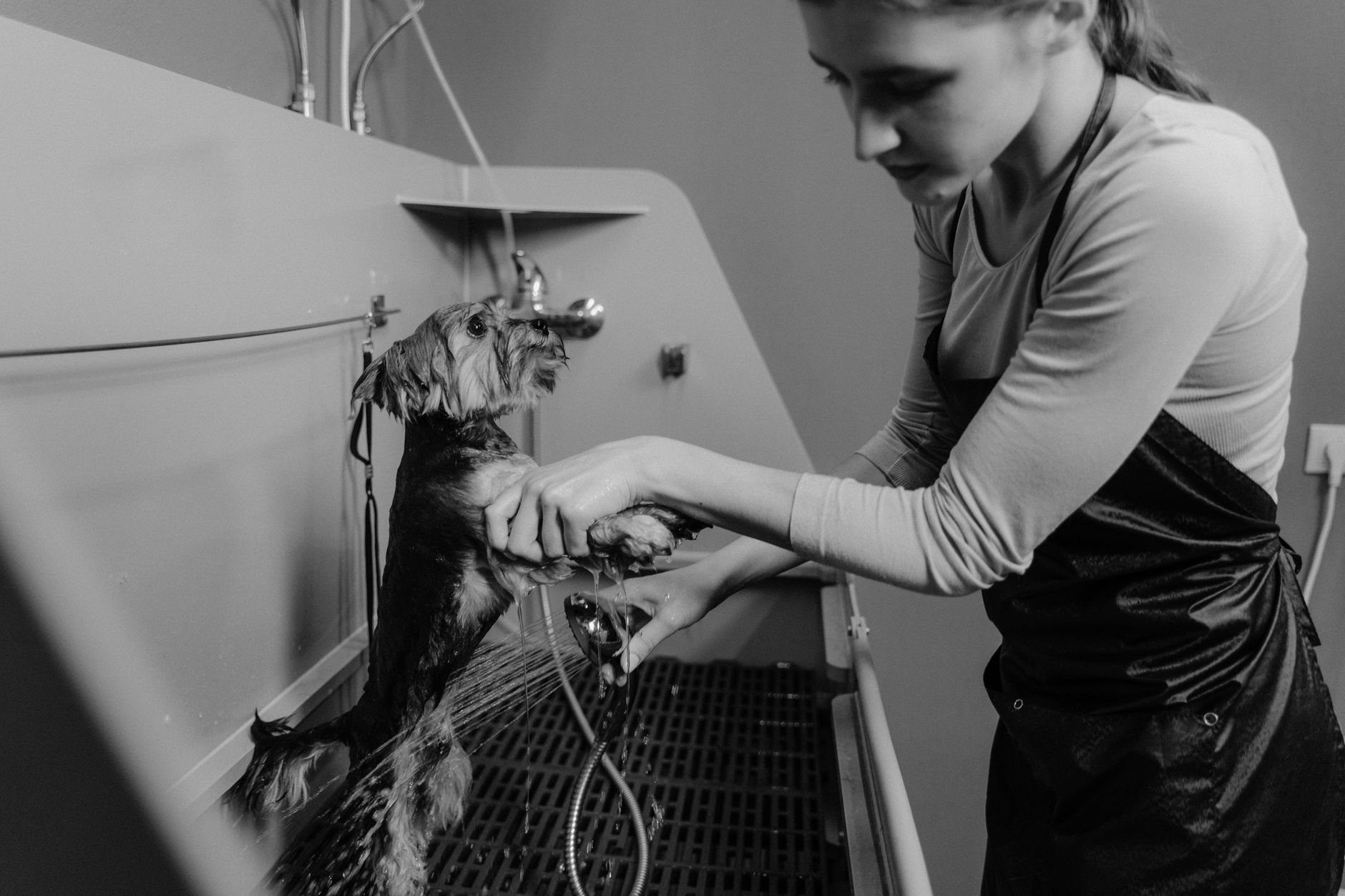
A bath with shampoo and often conditioner
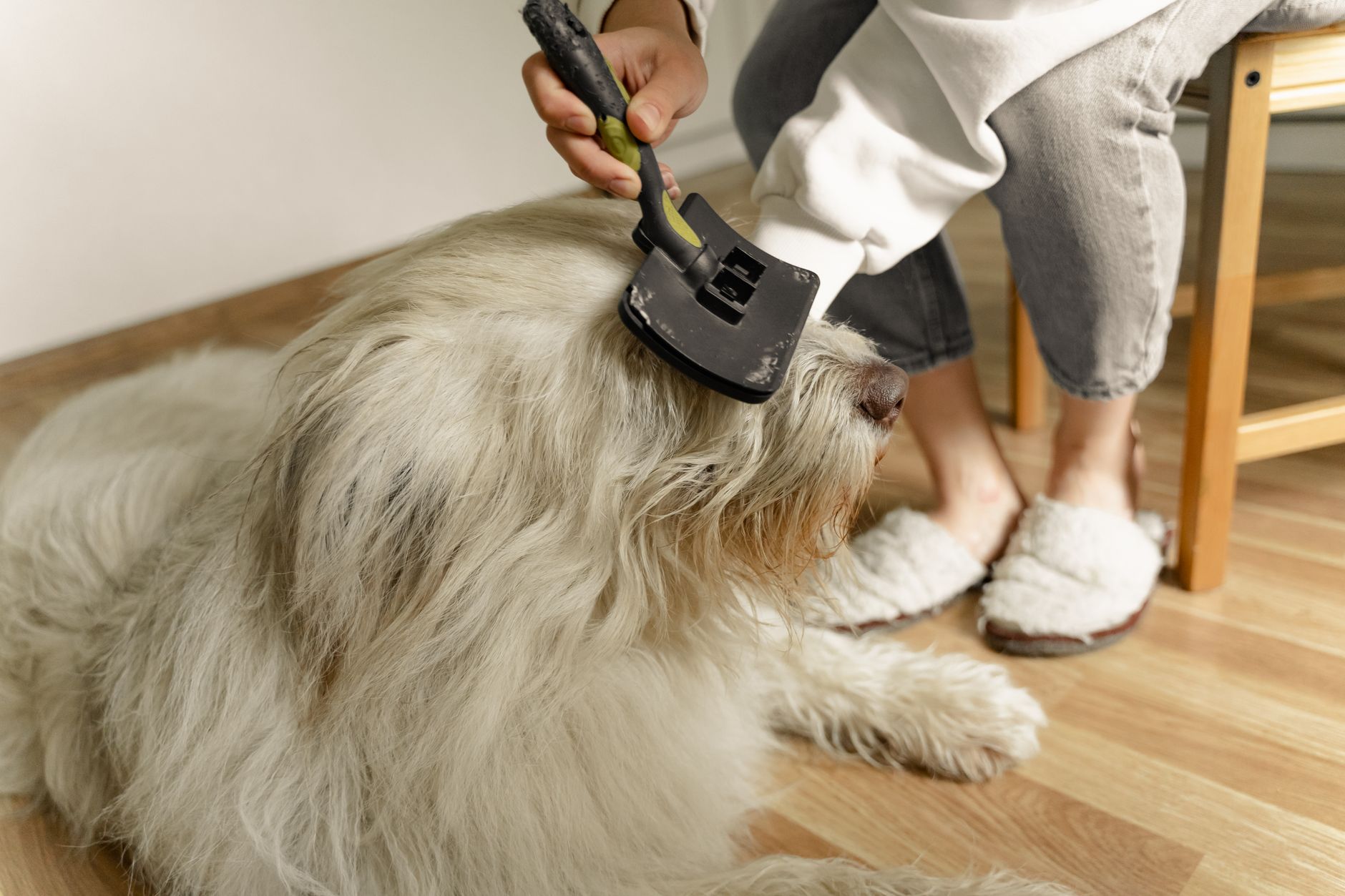
Blow-drying and a thorough brush-out to remove loose undercoat
Nail trimming or grinding
Ear cleaning (the outer ear, not anything deep in the canal)
Sometimes a light tidy of the feet, face or sanitary area
Full groom includes everything above plus a haircut. That means clipping or hand-scissoring the body to a set length or breed pattern, shaping the head, feet and tail, and finishing the face. Poodles, doodles, Shih Tzus, Yorkies, Bichons, Schnauzers and other dogs with continuously growing hair usually need a full groom. Double-coated breeds such as Labradors, Huskies and German Shepherds normally do not need a haircut at all; they need a bath and a serious deshedding brush-out.
Add-ons vary widely: teeth brushing, blueberry facials, paw balm, deshedding treatments, anal gland expression and nail grinding. Ask what is included in the base price and what costs extra. Rates change with breed, size, coat condition and region, so always check current rates with the business directly before you go.
Questions to Ask Before You Book
A five-minute phone call tells you a lot. A professional groomer will be happy to answer these, and the way they answer matters as much as the answer itself.
1. What training or certification do your groomers have? California does not require a state license for dog groomers, so training varies. Many groomers complete a grooming school program or hold certification from a national grooming association, and some have pet first aid training. Ask how long the person grooming your dog has been doing it.
2. How do you handle dogs that struggle or get nervous? Listen for words like breaks, patience, going slowly and calling you if your dog is too stressed to finish. Be wary of anyone who says they "just hold them down."
3. Do you use cage dryers or hand drying? Cage dryers blow air into a crate while the dog dries. Heated cage dryers have caused serious injuries when dogs were left unattended, especially flat-faced breeds like Pugs, Bulldogs and Frenchies, older dogs and heavy-coated dogs. Many salons now use only unheated cage dryers, stay with the dog the entire time, or hand dry with a high-velocity dryer and towels. Ask exactly what they do and whether someone watches your dog throughout.
4. What vaccination proof do you require? Reputable groomers ask for proof of a current rabies vaccine at minimum, and many also require other core vaccines. If a shop asks for nothing, other dogs there may not be vaccinated either. Talk to your veterinarian about which vaccines are right for your dog.
5. How long will my dog be there? Some salons keep dogs most of the day and groom them between other appointments. Others use a one-on-one, appointment-only model where your dog is in and out in a couple of hours. For anxious or senior dogs, shorter stays are often easier.
6. What is your matting and dematting policy? Heavily matted coats often cannot be brushed out without pain. Many groomers will shave the dog down ("humanity before vanity") and charge a dematting fee. Ask how they decide, whether they will call you first, and what extra charge applies.
7. Can you work with senior, disabled or anxious dogs? Ask whether they can groom a dog that cannot stand for long, offer a quiet time slot, or split a groom into shorter sessions. If your dog has a medical condition, skin problem or mobility issue, check with your vet first and share that advice with the groomer.
Example Groomers in Los Angeles
Here are a few highly rated listings in Los Angeles to see how different businesses present themselves. Open each profile to view hours, contact details and the services they list, then call with the questions above.
Salon vs. Mobile Groomer vs. Self-Service Dog Wash
There are three main ways to get your dog clean, and each suits a different kind of dog and owner.
Option
Best for
Pros
Trade-offs
Grooming salon
Most dogs, breed cuts, regular full grooms
Full equipment, several staff, wide range of services
Busy environment, drop-off wait times, other dogs nearby
Mobile grooming van
Anxious, senior or reactive dogs; busy owners
One-on-one attention, no car ride, done at your door
Usually higher cost per visit, limited daily slots, needs parking space
Self-service dog wash
Short or double-coated dogs between grooms
You stay in control, tubs and dryers provided, quick
No haircut, you do the work, still a public space
Salons are the classic choice. Ask whether they groom one dog at a time or several, and whether dogs wait in crates between steps. A clean, organized space and staff who greet your dog calmly are good signs.
Mobile groomers bring a fully equipped van to your driveway or street. Your dog avoids the waiting room and the noise of other dogs, which can make a big difference for nervous pets. You can find vans that serve your area on our mobile pet grooming in California page. Two well-rated Los Angeles examples:
Self-service washes give you a raised tub, shampoo, towels and a dryer so you can bathe your dog without wrecking your bathroom. They are a good fit for short-coated breeds and for keeping a double coat clean between professional deshedding sessions.
Red Flags That Mean Keep Looking
Trust your instincts. Walk away, or at least ask more questions, if you notice any of the following:
No vaccination questions. A shop that never asks about rabies proof is cutting corners on safety.
No visibility. You are not allowed to see the grooming area at all, and staff will not explain why. Many salons limit access for safety reasons, but they should still describe their setup.
Unattended heated dryers. If they cannot tell you who watches dogs in dryers, move on.
Rough handling. Yelling, yanking leashes or forcing a scared dog onto the table.
Vague pricing. Fees that appear only at pickup, with no explanation.
Strong odors or dirty kennels. A grooming room smells like shampoo and wet dog, not urine.
Recurring injuries. Repeated nicks, clipper burns or a dog that comes home shaking every time. Accidents can happen in any salon, but a good groomer tells you right away and explains what happened. If your dog seems hurt or unwell after a groom, contact your veterinarian.
Reviews that mention the same problem. One bad review is noise; five about lost dogs, injuries or long waits are a pattern.
How Often to Book by Coat Type
How often your dog needs a professional groom depends mostly on coat type and lifestyle. Use this as a starting point and adjust with your groomer.
Coat type
Example breeds
Typical professional grooming interval
At-home care between visits
Short, smooth
Beagle, Boxer, Pit Bull, Dachshund (smooth)
Every 8 to 12 weeks, or a bath as needed
Weekly rubber-brush, nail checks
Double coat
Labrador, Husky, German Shepherd, Corgi
Every 6 to 12 weeks, more during shedding season
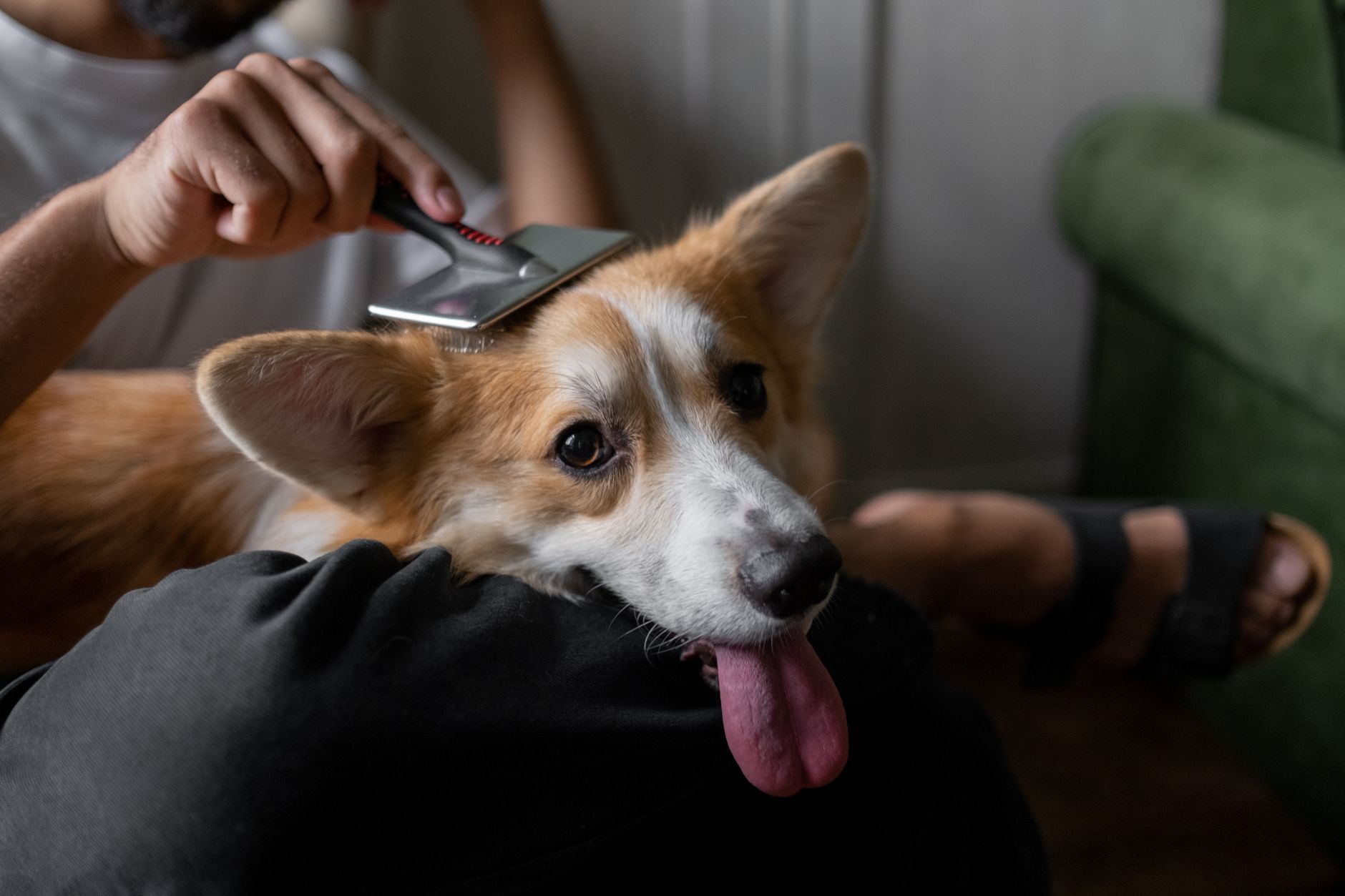
Undercoat rake or slicker 2 to 3 times a week
Long, silky
Shih Tzu, Yorkie, Maltese, Lhasa Apso
Every 4 to 6 weeks
Daily or near-daily brushing and combing
Curly or doodle
Poodle, Goldendoodle, Labradoodle, Bichon
Every 4 to 6 weeks
Line-brushing to the skin several times a week
Wire
Schnauzer, Wire Fox Terrier, Westie
Every 6 to 8 weeks (clip or hand-strip)
Weekly brushing
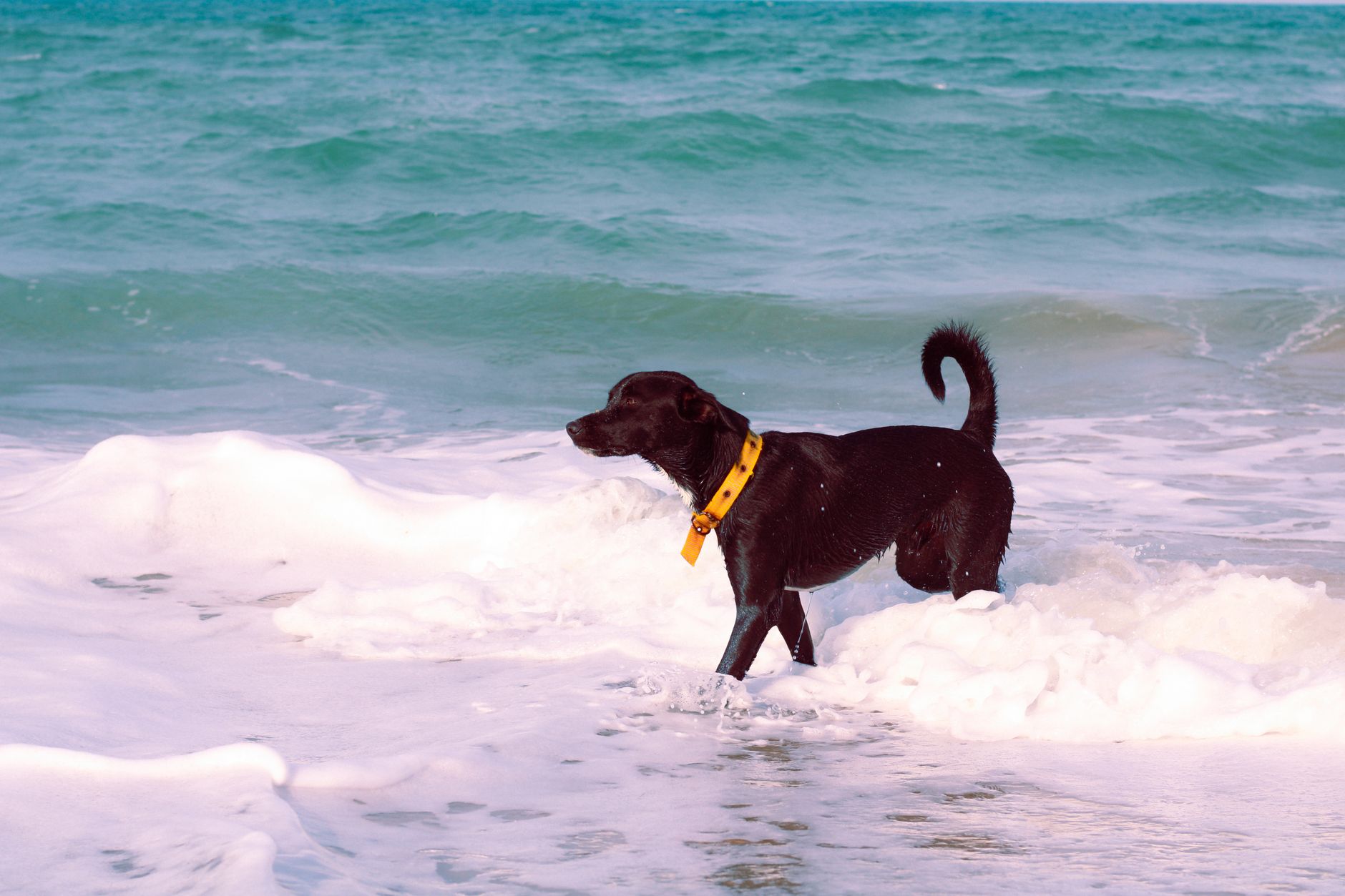
Curly and doodle coats are where most matting problems start. If you stretch the interval, brush at home properly, or expect a short clip at the next visit. Swimming in the ocean, rolling on the beach or running through brush also means more frequent baths, which is worth keeping in mind if you live near the coast.
Example Groomers in San Diego
San Diego has a mix of salons, wash-and-groom shops and mobile vans. These listings are well rated and give you an idea of the options. As always, confirm services and current rates directly with each business.
A little preparation makes the appointment easier for your dog and the groomer.
Brush beforehand. Even a quick brush-out reduces tangles and can lower dematting charges.
Take a walk first. A dog that has had exercise and a potty break settles more easily.
Bring vaccination records. Have rabies proof ready, ideally emailed before your first visit.
Share the details. Tell the groomer about sensitive spots, past bad experiences, behavior with other dogs and anything your vet has told you about skin, ears or joints.
Be specific about the cut. Bring a photo of the look you want and say it in plain words, such as "half an inch all over, rounded face, ears left long." "Short" means very different things to different people.
Practice handling at home. Touch paws, ears and the muzzle gently while giving treats, so the groomer's handling feels familiar.
Keep goodbyes short. Long, emotional drop-offs can make dogs more anxious.
Start puppies early. A short "intro groom" with a bath, nail trim and face tidy helps puppies get used to the noises and the table. Ask your vet when your puppy is ready.
Tipping Your Dog Groomer
Tipping is customary in the United States for dog grooming, much like a human haircut. A common range is about 15 to 20 percent of the service price, more if your dog was difficult to handle, heavily matted, or the groomer squeezed you in at short notice. If the owner of the business groomed your dog, you can still tip; many owners appreciate it. During the holidays, some clients give regular groomers an extra tip or small gift.
If you were unhappy with the result, tell the groomer calmly before you leave. Most professionals would rather fix a crooked ear trim on the spot than lose a client.
Your Quick Checklist
Before you book, make sure you can answer yes to most of these:
The groomer explains what is included in a bath and brush versus a full groom.
They can describe their training and experience.
They require proof of a current rabies vaccine.
They can tell you how they dry dogs and who supervises.
They have a clear matting policy and will call you before shaving.
They can handle your dog's age, size and temperament, or suggest a mobile or quiet slot.
Prices are explained up front, and you know to check current rates.
Reviews are mostly positive and the business replies to problems.