Grooming Senior Dogs in 2026: What Changes and What to Ask
18 October 2026 · 8 min read
A dog that cruised through grooming appointments for a decade can turn hesitant about the table, the dryer, or the car ride almost overnight. That shift usually has nothing to do with the groomer and everything to do with age: stiffer joints, thinner skin, duller hearing, and a lower tolerance for standing still. None of that means grooming should stop. It means the approach should change, and it helps to know what a good groomer adjusts for and what questions are worth asking before you book.
This guide walks through what typically changes in an older dog's grooming needs, how salon, mobile, and self-service options compare for a senior dog, and where daycare or boarding fits if you need backup care. The examples below are drawn from listings in the Denver, Colorado area, but the same questions apply wherever you're searching.
Why Grooming Needs Change As Dogs Age
Puppies and middle-aged dogs can usually tolerate a longer session, some fussing with tangles, and a bit of restraint. Senior dogs often can't, and pushing through a groom the way you would with a younger dog can turn a routine visit into a stressful one for everybody involved.
Arthritis and general joint stiffness are the biggest factors. A dog that used to stand patiently on a grooming table for 45 minutes may need to lie down partway through, or may struggle to balance on a slick table surface at all. Skin also gets thinner and more fragile with age, so clippers and shampoo that were fine for years can cause nicks or irritation they didn't before. Hearing and vision loss mean dryers, clippers, and sudden movement are more startling than they used to be, which can make a previously calm dog anxious or snappy without warning.
None of this makes grooming optional. Mats pull on skin, overgrown nails change how a dog walks and can worsen joint pain, and matted or soiled coats are harder on skin that's already more sensitive. The goal is adjusting the process, not skipping it.
What a Groomer Watches For in an Older Dog
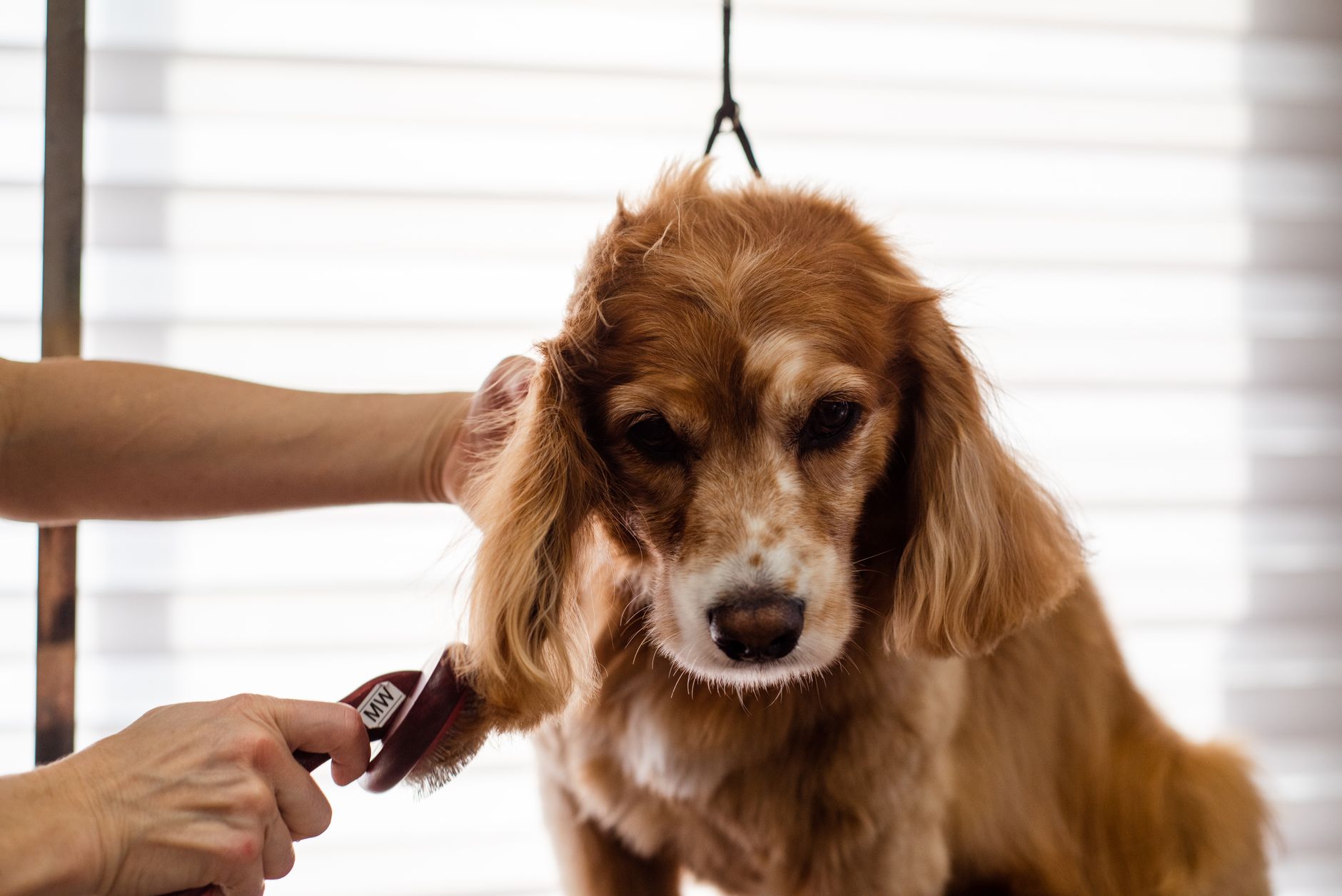
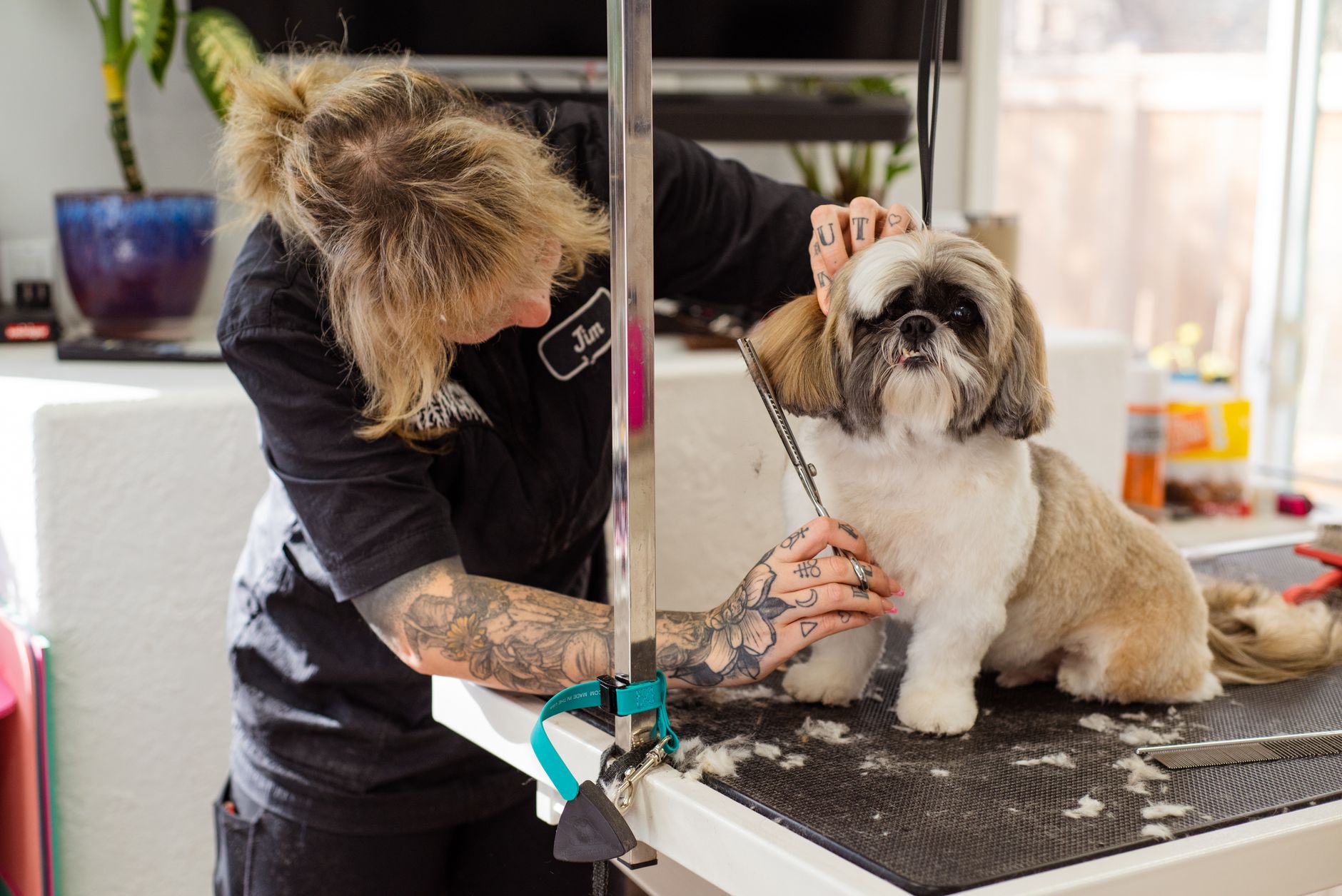
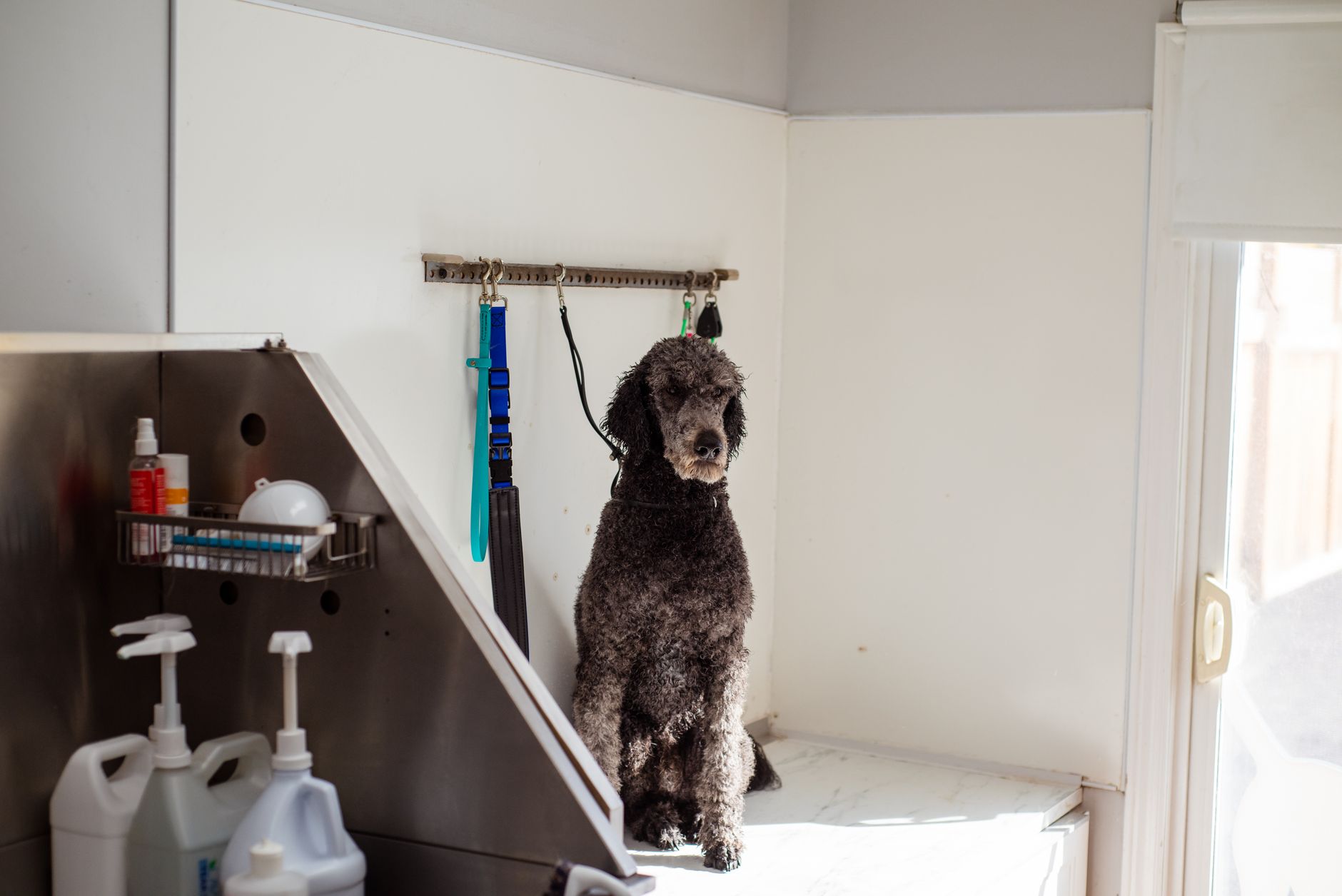
A groomer who regularly works with senior dogs tends to build extra time into the appointment and break up the session rather than doing everything in one long stretch. Non-slip tables or mats, slower clipper work around bony or thin-skinned areas, and more frequent breaks are common adjustments. Some groomers will also keep the water temperature and dryer noise lower than they would for a younger, more tolerant dog.
It's also common for groomers to flag things they notice during a groom — a new lump, a sore spot, thickened or cracked nails, ear odor, or a skin irritation hidden under the coat — and suggest you follow up with your vet. That's a normal and useful part of the relationship with a groomer who sees your dog regularly; it isn't a diagnosis, and any actual health concern should go to your veterinarian, not the groomer.
Salon, Mobile, or Self-Service: What Fits a Senior Dog Best
Where you take a senior dog for grooming matters almost as much as who does the grooming. The three common options — a salon, a mobile groomer that comes to you, and a self-service dog wash — each have a different tradeoff for an older dog.
Option
Travel for your dog
Environment
Best fit for
Salon
Car ride plus time in a new space
Professional equipment, but can be noisy with other dogs waiting
Dogs that tolerate car rides and don't mind other animals nearby
Mobile groomer
None — groomer comes to your driveway
Familiar surroundings, one dog at a time
Dogs with anxiety, mobility limits, or who get overwhelmed by salon noise
Self-service dog wash
Short car ride, you do the work
You control pace, but usually just bathing, not a full groom
Dogs needing a basic bath between full grooms, with an owner who can lift or support them
For a dog with arthritis or real anxiety about car rides, a mobile groomer often removes the hardest part of the appointment before the clippers even come out. For a dog that's still steady and doesn't mind the car, a salon with experience handling older dogs works fine and can offer services a mobile van can't always fit, like a full bath-dry-trim combination in one visit.
A quick conversation before the appointment tells you a lot about whether a groomer is a good match for an older dog. Worth asking:
Have you groomed senior dogs with arthritis or mobility issues before?
Can you break the groom into shorter sessions if my dog needs a rest?
Do you have a non-slip surface on the table or tub?
What happens if my dog can't tolerate a full groom that day — do you do a partial service instead?
How do you handle a dog that's hard of hearing or has limited vision?
A groomer who answers these without hesitation, and who doesn't push back on the idea of going slower, is generally a safer bet than one who treats every dog the same way regardless of age.
Coat changes are common with age — some dogs' coats get thinner, others get coarser or more prone to matting as the dog grooms itself less. Reduced mobility often means a dog can no longer reach the same spots to self-clean, so mats can build up behind the ears, under the legs, and around the tail faster than they used to.
Shorter intervals between grooms, rather than longer sessions each time, tend to work better for a lot of senior dogs — it keeps mats from forming and keeps each individual appointment shorter. Ask your groomer about current rates and scheduling for a shortened, more frequent routine rather than assuming the standard interval still applies.
Skin that's drier or thinner also benefits from a groomer who checks shampoo and conditioner choices rather than using whatever's fastest. If your dog has a diagnosed skin condition, loop your veterinarian in on what products are appropriate — that's a medical question, not a grooming one.
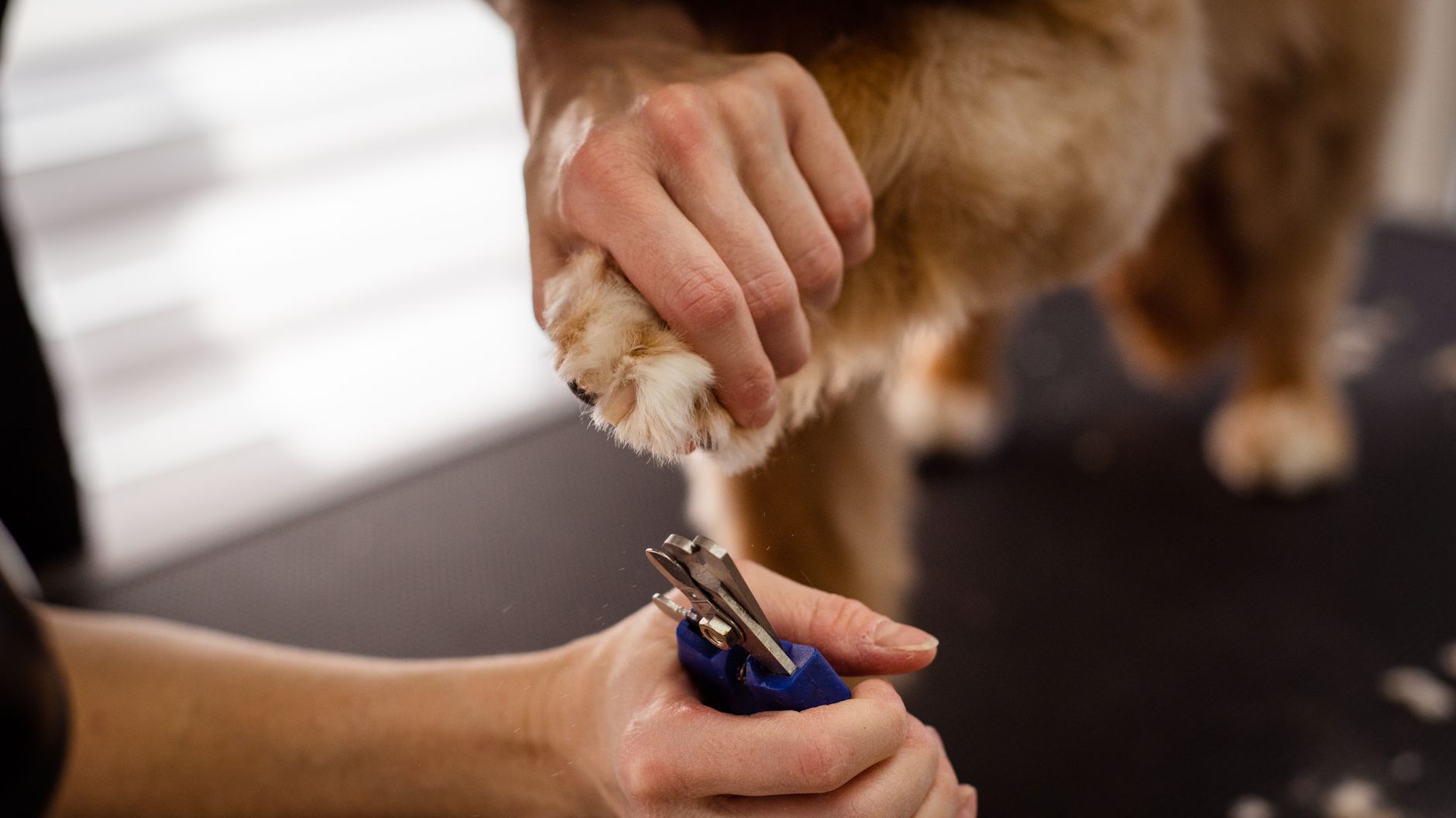
Nail trims matter more, not less, as dogs age. Overgrown nails change how weight is distributed across the paw, which can add strain to already-stiff joints. If your dog resists a full nail trim at home, many of the groomers and mobile services in a directory like this one offer nail trims as a standalone service, which is a lower-stress way to keep up with them between full grooms.
Ears and teeth are worth a look during every groom too, since wax buildup, odor, or visible tartar are easy to miss day to day. A groomer can tell you if something looks off, but diagnosis and treatment are a vet's job — if a groomer flags an ear or dental issue, treat it as a reason to call your veterinarian, not something to address with over-the-counter products on your own.
Daycare, Boarding, and Fitness Support for Senior Dogs
Not every senior dog needs daycare or boarding, but if you travel or work long hours, it's worth knowing which local options are set up for an older dog rather than a high-energy puppy. Facilities that offer structured, lower-impact activity or dedicated senior programming tend to be a better match than a general free-for-all playgroup, which can be overwhelming or physically risky for a dog with joint issues.
When you're comparing boarding or daycare for an older dog, ask the same kind of questions you'd ask a groomer: how do they handle a dog that can't keep up with the group, do they have non-slip flooring, and can staff manage medication schedules if your dog is on any. Denver pet owners can browse the full range of dog daycare options and boarding facilities in the area to compare what's available, or check the general pet business directory for Denver.
When to Loop In Your Veterinarian
A groomer is a useful second set of eyes on your dog's skin, coat, nails, and general comfort, but they aren't a substitute for veterinary care. Sudden weight loss, new lumps, limping, changes in appetite, or a dog that seems painful during normal handling are all reasons to call your vet, not just something to mention at the next grooming appointment.
It's also worth asking your veterinarian directly whether your dog's current health supports its usual grooming routine — some dogs on certain medications or with specific conditions may need shorter sessions, a different bathing temperature, or more frequent breaks than a groomer would guess on their own. That conversation belongs with your vet, who knows your dog's full medical picture.
A Practical Takeaway
Grooming an older dog isn't about doing less — it's about doing it in a way that matches what your dog can comfortably handle. A mobile groomer can cut out a stressful car ride, a salon with senior-dog experience can still offer a full service in a controlled environment, and shorter, more frequent sessions often beat one long appointment every few months.
Before your next booking, ask about mobility accommodations, confirm the groomer has worked with senior dogs before, and keep your veterinarian in the loop on anything that looks like more than routine coat and nail maintenance. You can browse groomers and mobile grooming services in the Denver area, or search your own city's listings, to find one that's a good match for where your dog is now — not where they were five years ago.